Bone Font: Crafting Spooky Elegance for Memorable Designs
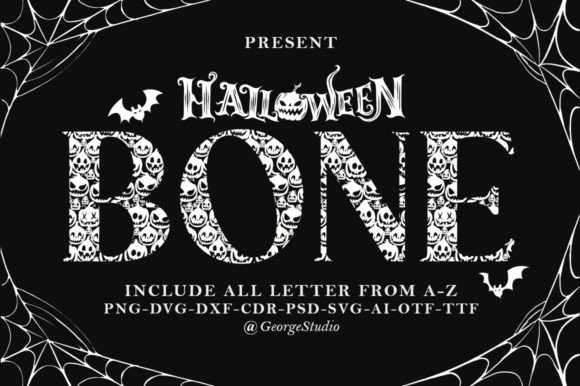
Every designer hits a point where a project needs more than just clean lines and safe choices. Sometimes, a brief calls for atmosphere, a touch of the macabre, or a personality that stands out in a crowded marketplace. This is where a typeface like Bone Font enters the conversation—a monogram decorative font that doesn't just sit on the page but actively shapes the mood of your work. Its carefully crafted letterforms, inspired by skeletal structures and gothic motifs, offer a unique blend of eeriness and sophistication that can transform a standard design into something truly memorable.
More Than Just a Spooky Aesthetic
At first glance, you might categorize this as a novelty font for Halloween parties. While it certainly excels there, its potential runs much deeper. The true value of a premium font like this lies in its ability to convey a specific brand personality with precision. Think of it as a visual shorthand for themes of mystery, vintage elegance, rustic charm, or even a dark, romantic edge. The letterforms are designed with a keen eye for balance, ensuring that while the decorative elements are prominent, the overall typeface remains cohesive and usable. This isn't a font that sacrifices function for form; it's a tool for designers who understand that strategic visual communication can make a brand unforgettable.
Practical Applications Across Creative Fields
The versatility of a well-designed display font is often underestimated. Here’s how a font with the character of Bone can be applied to real-world projects, moving far beyond generic seasonal flyers.
- Branding and Logo Design: For businesses in niches like artisanal coffee, craft breweries, tattoo studios, boutique clothing lines, or even mystery-themed escape rooms, this font can become the cornerstone of a brand identity. It instantly communicates a distinct vibe, helping you attract a target audience that resonates with that specific aesthetic.
- Packaging and Merchandise: Imagine a hot sauce label, a craft beer bottle, or a line of scented candles. Using this font for product names or monograms can elevate packaging from ordinary to shelf-stopping. It adds perceived value and tells a story before the customer even reads the description.
- Editorial and Digital Layouts: Blog headers, magazine feature titles, or chapter headings in a self-published novel can benefit enormously. It creates visual hierarchy and draws the reader into the content, especially for genres like horror, fantasy, historical fiction, or true crime.
- Marketing and Social Media: In the fast-scroll world of social platforms, social media graphics need to grab attention instantly. A striking header for a Instagram post, a YouTube thumbnail, or a Facebook event cover using a creative font can significantly boost engagement. It makes your content instantly recognizable in a feed.
- Event Stationery: From Halloween party invitations to themed wedding suites or even a sophisticated gothic gala, the font sets the tone from the very first glance. It’s a design asset that ensures all printed and digital materials feel intentionally curated.
Strategic Pairings and Readability
Using a strong decorative font effectively is all about balance. The goal is to let its personality shine without compromising clarity. This is where font pairing becomes your most important skill.
A solid rule of thumb is to pair a highly stylized display font with a clean, neutral companion. For body text, choose a readable sans serif font or a simple serif font that doesn't compete for attention. For example, you might use Bone for a main headline, then pair it with a font like Open Sans or Lora for paragraphs. This contrast ensures your message is both seen and read. Always test your pairings at different sizes—what looks stunning as a 72pt headline might become illegible at 12pt in a caption.
Consider the context of your project. For a website hero image, large-scale use is perfect. For a business card, you might use it only for a monogram or a single key word. The included font styles, often featuring alternates or swashes, can give you flexibility to customize the look further, so reviewing the full font family upon purchase is a worthwhile step.
Making the Investment Work for You
Choosing a commercial font is an investment in your project's visual toolkit. Before purchasing, always clarify the licensing. A standard license typically covers most uses—logos, websites, print materials, and merchandise. However, if you plan to use it in a product for sale (like a template or a digital asset), you may need an extended license. Understanding this upfront protects you legally and ensures you're using the asset correctly.
Think of this typeface not as a one-trick pony, but as a specialized tool in your design arsenal. It won't be the right fit for a corporate banking report, but for projects that demand a touch of the dramatic, the vintage, or the hauntingly beautiful, it can be the element that transforms good design into great, audience-captivating work. It’s about matching the visual characteristics of your typography to the core message and emotion of your project. When that alignment happens, your design doesn't just look professional—it feels authentic and deeply engaging.