Why Cutie Kitty Font Feels Like a Handwritten Hug for Your Brand
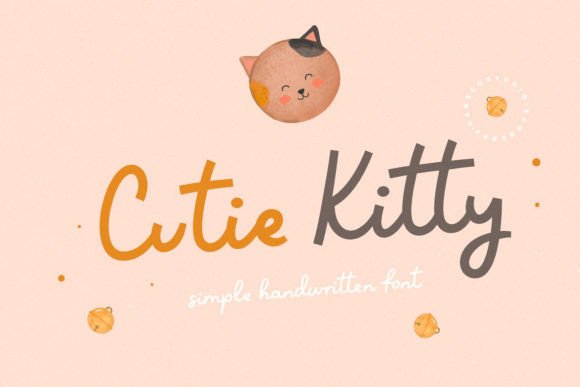
There’s a certain magic in a font that feels personal. In a digital space often dominated by sharp, sterile typefaces, finding one that carries the warmth of a handwritten note can transform a project from simply informative to genuinely inviting. That’s the core appeal of Cutie Kitty Font. It’s a simple, modern, and natural handwritten font that doesn’t just display words; it delivers them with a soft, approachable personality. This isn’t about mimicking perfect calligraphy; it’s about capturing the authentic, slightly imperfect charm of real handwriting, making it an incredibly versatile tool for creators who want to connect on a human level.
The Personality Behind the Type
What sets this typeface apart in a crowded market of script fonts and premium display options is its deliberate simplicity. The letterforms are clean and legible, avoiding the overly ornate swirls that can make some handwritten fonts difficult to read, especially at smaller sizes. Each character flows into the next with a gentle, consistent rhythm, creating a sense of effortless cohesion. The modern aspect comes from its balanced proportions and clean lines, ensuring it feels current rather than retro or overly whimsical. This blend of natural warmth and modern clarity makes it a practical choice for a wide array of applications, from a wedding invitation to a social media post for a local bakery.
From Screen to Shelf: Practical Applications
Understanding where a font shines is key to using it effectively. The versatility of Cutie Kitty Font means it can become a cornerstone of your visual language across multiple platforms.
Building a Brand Identity: For small businesses, especially those in lifestyle, beauty, food, or artisanal crafts, this font can be a foundational element of your brand identity. Imagine it gracing your logo, creating an immediate sense of friendliness and care. It works beautifully for taglines, packaging labels, and thank-you notes, ensuring every customer touchpoint feels consistent and personal. When used as a primary display font, it can define the entire mood of your brand, making it memorable and relatable.
Digital Presence and Social Media: In the fast-scrolling world of Instagram, Pinterest, and TikTok, grabbing attention is crucial. This handwritten font is perfect for creating eye-catching quotes, engaging story templates, and cohesive highlight covers. Its readability ensures your message gets across quickly, while its style adds a layer of aesthetic appeal that encourages likes and shares. For bloggers and content creators, it can add a personal signature to featured images, making your content instantly recognizable in a feed.
Print and Physical Materials: The charm of Cutie Kitty Font isn’t limited to the screen. It translates beautifully to print. Think wedding invitations that feel heartfelt, not corporate. Consider product packaging for homemade goods, where the font reinforces the handmade quality. It’s equally effective for posters for community events, boutique price tags, or the cover of a self-published journal. The key is its ability to make physical items feel bespoke and thoughtfully designed.
Matching Font to Function: A Practical Guide
While the font is versatile, using it strategically will yield the best results. Here’s how to align its personality with your project’s goals.
Consider the Context: A font that works perfectly for a wedding invitation might not be the best choice for the body text of a corporate report. Use Cutie Kitty Font for headlines, logos, and short bursts of text where its personality can shine without overwhelming the viewer. For longer paragraphs, pair it with a highly legible serif font or a clean sans serif font. This contrast creates visual interest and ensures your main content remains easy to read.
Test Your Font Pairings: Before finalizing your design, experiment. Place the Cutie Kitty headline next to a few different body text options. Does the combination feel harmonious or jarring? A good pairing should have enough contrast to be distinct but share a similar mood or era. For a modern look, try pairing it with a geometric sans serif. For a more classic feel, a simple serif font can work well.
Readability is Non-Negotiable: Always test your design at the size and in the context where it will be seen. A font that looks elegant on a large poster might become an unreadable scribble on a mobile phone screen. Use the font’s natural strengths—its clarity at moderate sizes—to your advantage. Avoid using it for critical information like phone numbers or disclaimers where absolute clarity is paramount.
Beyond the Basics: Licensing and Stylistic Sets
When you choose a commercial font like this one, you’re investing in a design asset with professional potential. It’s crucial to understand the licensing. Typically, a premium font license allows for both personal and commercial use, which is essential if you’re creating products for sale or marketing materials for a business. Always review the specific terms to ensure your intended use is covered.
Furthermore, many quality fonts come with stylistic alternates or ligatures. These are subtle variations of letters that can help you avoid repetitive letter shapes and add a more authentic, custom feel to your typesetting. Taking a few minutes to explore the font’s full character set in your design software can unlock new creative possibilities, allowing you to tailor the text precisely to your vision.
In the end, typography is a silent ambassador for your message. Choosing a typeface like Cutie Kitty Font is a decision to communicate with approachability, warmth, and a touch of handmade charm. It’s a tool that, when used thoughtfully, can help bridge the gap between a brand and its audience, making every word feel a little more personal and every design a little more inviting. The best font choice is one that doesn’t just look good, but feels right for the story you’re trying to tell.