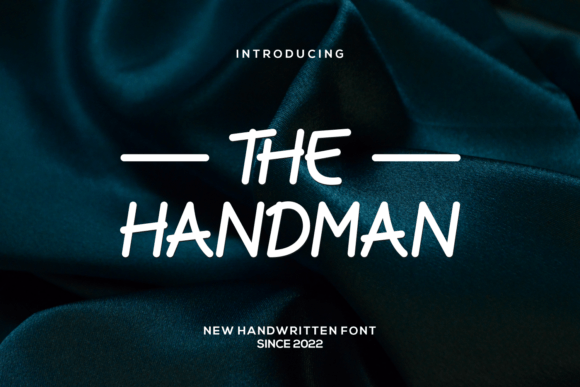
Why The Handman Font Feels Like a Handshake in Your Design
There’s a moment in every creative project where the typography either clicks or it doesn’t. You’ve spent hours on the color palette, the layout feels solid, but the text just sits there—cold, impersonal, disconnected. That’s where a typeface like The Handman Font changes the game. It’s not just another premium font; it carries the weight and warmth of a handwritten note, the kind that makes a recipient pause and actually read. For anyone building a brand, designing packaging, or crafting social media graphics, this font offers something rare: personality without sacrificing clarity.
The Visual Appeal: More Than Just Handwritten
At first glance, The Handman Font is a bold handwritten font, but look closer and you’ll notice its nuanced charm. The strokes have a natural irregularity—the kind you’d see in a quick, confident jot from a designer’s sketchbook. There’s a slight bounce to the baseline, a casual rhythm that feels human, not algorithmic. This isn’t a script font that mimics cursive; it’s a display font with a distinct voice, one that balances a playful edge with a surprisingly modern structure. The weight is substantial enough to stand out in a logo design or on a poster, yet it doesn’t overwhelm. It’s a typeface that feels relevant for contemporary projects, whether you’re designing a minimalist website header or a vibrant product label.
Practical Applications: Where This Font Truly Shines
Think about the last time a piece of packaging caught your eye. Chances are, the typography did more than deliver information—it told a story. The Handman Font excels in contexts where you need to communicate authenticity and creativity. For small business owners, it can transform a simple logo into something memorable. Imagine a local coffee shop using it for their brand identity; the handwritten style suggests craftsmanship and care. Content creators and bloggers find it invaluable for social media graphics. A bold, handwritten title on an Instagram post or a YouTube thumbnail instantly breaks the monotony of standard sans serif fonts, grabbing attention in a crowded feed.
Beyond digital spaces, this font adapts beautifully to print. Wedding invitations, thank-you cards, and event posters gain a personal touch that feels bespoke. Editorial designers might use it for pull quotes or section headers in a magazine layout, adding a layer of visual interest without disrupting readability. Even in merchandise design—think tote bags, mugs, or t-shirts—the font’s charm translates well, offering a handcrafted aesthetic that resonates with customers looking for something unique.
Pairing and Readability: Making It Work in Context
A common question with any creative font is how to pair it effectively. The Handman Font’s bold, expressive nature means it works best as a headline or accent typeface. Pair it with a clean, neutral sans serif font for body text to maintain readability. For example, use The Handman for a blog post title and a simple sans serif for the paragraphs beneath. This contrast creates a dynamic visual hierarchy that guides the reader’s eye. In packaging design, you might pair it with a minimal serif font for product descriptions, letting the handwritten style highlight the product name or key message.
Readability is crucial, especially in marketing assets like flyers or digital ads where information needs to be absorbed quickly. The Handman Font’s letterforms are distinct enough to remain legible at various sizes, though it’s wise to test it in your specific context. Avoid using it for long blocks of body copy; its strength lies in short, impactful phrases. When selecting font styles, consider the included alternates or weights if available—these can add versatility to your design toolkit without straying from the font’s core personality.
Strategic Benefits for Brand and Audience
Choosing a font isn’t just an aesthetic decision; it’s a strategic one. A typeface like The Handman Font can significantly boost visual consistency across your brand assets. When used thoughtfully, it becomes a recognizable element of your brand identity, helping to foster audience engagement. People respond to designs that feel human and approachable, and this font delivers that effortlessly. For entrepreneurs and marketers, it’s a tool to differentiate in a saturated market. A handwritten font in your email headers or product tags can make your communication feel less corporate and more conversational.
From a commercial perspective, it’s important to verify the licensing. Most premium fonts like this come with a license that covers both personal and commercial use, but always check the specifics. Ensure the license aligns with your project scope, whether you’re designing client work, selling merchandise, or creating digital products for sale. This due diligence protects your investment and ensures you’re using the font legally and ethically.
Final Thoughts on Implementation
Start by integrating The Handman Font into one or two key projects. Use it for a logo concept, a social media campaign, or a special print piece. Observe how it changes the tone of your design. Does it make the message feel more direct? Does it draw more positive feedback? Typography is a subtle art, and the right font can elevate your work from competent to compelling. The Handman Font offers a blend of boldness and warmth that’s hard to find—a tool that respects the craft of design while connecting with real people. Give it a try, and see how a touch of handwritten style can transform your next creative endeavor.