Westpark Script Font Duo: A Creative Partner for Modern Design
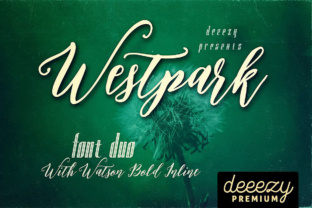
Finding a font that feels both personal and professional can be a real challenge. You want something with character, something that doesn't look like it came from a default template, but it also needs to work hard across different formats. That's where a thoughtfully designed font duo steps in, offering a built-in solution for visual harmony. The Westpark Script Font Duo is exactly that kind of creative asset—a pairing of a handdrawn brush script with a strong inline sans serif, designed to give your projects a distinctive and cohesive voice from the start.
A Look at the Two Halves of Westpark
The first half of this duo is a modern brush script font. It has an organic, hand-lettered feel that’s full of energy. Unlike rigid digital scripts, it maintains a natural flow, with slight variations that mimic the pressure and movement of a real brush or pen. This font is built with multi-language support, so you can use it for projects in various European languages without missing a beat. It also includes a generous collection of stylistic alternates. These are different versions of certain letters that you can swap in to avoid repetition and add a truly custom look to headlines, logos, or quotes. For example, you might have three different ways to style a lowercase "g" or "s," allowing you to fine-tune the word shape for maximum impact.
The second half is its perfect counterpoint: an inline and condensed sans serif display font. This typeface is all about clarity and structure. The "inline" style gives it a vintage or architectural feel, with a thin line running through the center of each character, adding depth and interest without being overly fussy. Its condensed nature makes it excellent for fitting longer words or phrases into tight spaces, like on packaging or social media graphics. This display font comes in two versions: a clean regular and a textured grunge version. The grunge version adds a subtle, worn-in texture that works beautifully for designs aiming for an artisanal, rustic, or vintage aesthetic. Note that this display font does not include multi-language support, so it's best used for headlines and key phrases in English or similar languages.
Where This Font Duo Shines: Real Project Applications
Understanding the components is one thing, but seeing how they work together in real scenarios is where the value becomes clear. This isn't just a pretty typeface; it's a practical design system.
- Branding and Logo Design: This is where the duo truly excels. Use the brush script for the main brand name to inject personality and approachability. Pair it with the condensed sans serif for a tagline or secondary text to provide legibility and a professional anchor. The combination immediately creates a brand identity that feels both friendly and established. It’s ideal for boutiques, cafes, lifestyle brands, coaching businesses, and any venture that wants to feel human and relatable.
- Packaging and Merchandise: Imagine a coffee bag with the brand name in the flowing script and the blend type (e.g., "Single Origin") in the strong, inline sans serif. Or a candle label, a clothing tag, or a tote bag. The font duo provides instant hierarchy and visual appeal, making products stand out on a shelf or in an online store. The grunge version of the display font is particularly effective for products with a handmade or eco-conscious vibe.
- Digital Presence: For websites and blogs, use the script font for featured post titles or pull quotes to draw the reader's eye. The condensed sans serif works perfectly for navigation menus, button text, and subheadings, ensuring everything remains clean and easy to scan. On social media, this pairing can create stunning Instagram story templates, Pinterest graphics, or YouTube thumbnails that are both on-brand and highly readable, even on small screens.
- Print and Editorial: From wedding invitations and event posters to magazine layouts and business cards, this duo adapts. The script adds a touch of elegance or creativity to invitations, while the sans serif keeps the necessary details (date, time, location) crisp. In editorial design, you can use the script for feature article titles and the sans serif for bylines, captions, and pull-out statistics.
Making It Work: Practical Typography Advice
Having a great font duo is the first step. Using it effectively is the next. Here are some practical tips for integrating Westpark into your workflow.
Start with the Goal. Before you pick a style, ask: what feeling should this project evoke? If the goal is warmth and creativity, lean into the brush script. If the goal is modern clarity and authority, let the condensed sans serif take the lead. The magic is in the balance.
Test Your Pairings. Don't just assume they'll work. Type out your actual headlines and body copy. Check the spacing between the two fonts when placed side-by-side. See how the alternates in the script font change the look of a key word. Test the grunge texture at different sizes to ensure it doesn't become muddy in small print.
Readability is Non-Negotiable. The script font, with its expressive style, is best for short bursts of text—logos, headlines, a single word for emphasis. Avoid setting long paragraphs in it, as that can strain the eyes. For body copy, product descriptions, or lengthy captions, pair the script with a simpler, highly legible sans serif or serif font from your library. The Westpark condensed sans serif can work for subheadings but might also be too stylized for large blocks of text.
Review the Included Styles. Take the time to explore all the stylistic alternates in the script font. Accessing them is usually straightforward in design software like Adobe Illustrator, Photoshop, or Procreate, and they can transform a standard word into a custom piece of lettering. Similarly, compare the regular and grunge versions of the display font for your specific project. The grunge effect is subtle, but it makes a significant difference in feel.
Consider the License. As with any premium font, ensure you understand the commercial licensing. This allows you to use the font in client work, products for sale, and digital items without legal worry. It’s a key part of professional practice and protects both you and your clients.
Ultimately, a font like the Westpark Script Font Duo is more than just letters on a screen. It’s a design asset that helps solve the constant puzzle of creating visual consistency and a strong brand identity. By pairing a dynamic, handwritten font with a structured display font, it provides the tools to build a visual language that is both engaging and professional, helping your projects communicate more effectively and connect with your audience on a deeper level.