Discover the Charming Appeal of Anyone Maybe Font
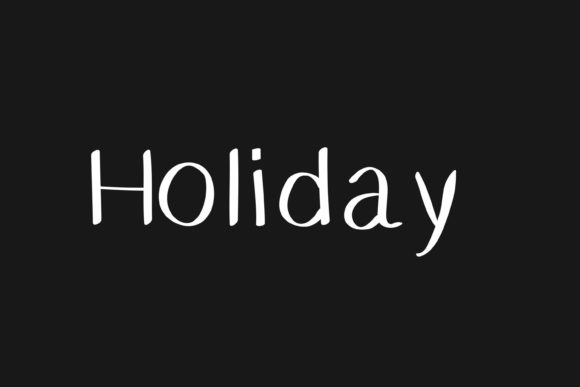
Sometimes, a design calls for more than just clean lines and perfect symmetry. It needs a touch of warmth, a hint of personality, and a dash of authentic, human charm. This is where the right script font becomes invaluable. Anyone Maybe is a neat handwritten font that captures this feeling beautifully. With its thin, delicate stroke and flowing, natural style, it offers a solution for projects that aim to feel approachable, personal, and genuinely lovely. It’s the kind of typeface that doesn’t just present words; it conveys an emotion.
The Visual Personality of a Delicate Script
What immediately sets Anyone Maybe apart is its visual character. It’s not a bold, attention-demanding display font, nor is it a rigid, formal serif font. Instead, it occupies a special space as a premium font with a soft-spoken elegance. The thin stroke gives it an airy, lightweight feel, perfect for designs where you want text to complement, not overwhelm, the overall composition. The connections between letters feel organic and slightly imperfect, which is the secret to its charm. This handmade quality makes it feel authentic and personal, a quality that resonates deeply in an age of digital perfection.
This style makes it an excellent choice for projects where a personal touch is key. Think of a wedding invitation suite, the packaging for a artisanal soap, or the branding for a cozy café. The font adds cuteness without being childish, and elegance without being stuffy. It bridges the gap between playful and professional, making it a versatile asset in a designer’s toolkit.
From Brand Identity to Social Media: Practical Applications
A font’s true value is measured by how well it performs in real-world scenarios. Anyone Maybe shines across a variety of creative and commercial projects, thanks to its adaptable personality. Its strength lies in its ability to inject warmth and approachability into a design.
For Branding and Logo Design: A logo sets the entire tone for a business. Using this handwritten font for a brand name or a tagline can instantly make a business feel more human and customer-focused. It’s particularly effective for brands in the lifestyle, beauty, wedding, artisanal food, or boutique retail spaces. It helps build a brand identity that feels friendly and trustworthy, which is a powerful tool for small business owners looking to connect with their community.
For Digital and Social Media: In the fast-scrolling world of social media, graphics need to grab attention quickly while conveying a specific mood. Anyone Maybe is perfect for Instagram quote graphics, Pinterest pins, YouTube thumbnails, or Facebook ad headlines. It adds a layer of visual interest and personality that can stop a scroll. For bloggers and content creators, it can be used to create beautiful, consistent headers for their websites or digital products like e-books and worksheets, enhancing their professional presentation.
For Print and Packaging: The thin strokes of this script font make it a standout for print applications where detail is appreciated. Imagine it on a thank-you card, a product label for handmade goods, or the headline of a poster for a local market. It adds a crafted, premium feel to packaging design, suggesting that care and attention have gone into the product itself. For marketing materials like flyers or postcards, it can be used to highlight key messages in a way that feels personal and engaging.
Making Smart Typography Choices for Your Project
While finding a beautiful font is exciting, implementing it effectively is what separates good design from great design. Here are some practical considerations for using a font like Anyone Maybe successfully.
Font Pairing is Crucial: A script font with this much personality rarely works well as the sole typeface for large blocks of text. Its primary role is as an accent. The key is to pair it with a highly readable, neutral typeface. A clean sans serif font or a classic serif font often makes an ideal companion. Use the script for headlines, subheads, or pull quotes, and let its paired partner handle the body copy. This creates a clear visual hierarchy and ensures your message remains legible and professional.
Always Test for Readability: The very thin strokes that give Anyone Maybe its delicate look require careful consideration. At very small sizes or on low-resolution screens, fine details can get lost. Always test your design in its intended context. Check how it looks on a mobile phone screen, on a printed business card, or in a busy social media feed. If the text becomes hard to read, consider using it only at larger sizes or for very short words where its style can be appreciated without hindering comprehension.
Review All Included Styles: A quality premium font often comes with more than just the basic letters. Before you start a project, open the font file and explore what’s included. Look for stylistic alternates, ligatures (special character combinations), and extended language support. These features can give you more creative control, allowing you to customize the look of your text to perfectly match your vision. Understanding what’s in the package helps you use the font to its full potential.
Understand the License: For any commercial project, from client work to merchandise you sell, checking the font’s license is non-negotiable. Ensure the license permits the specific use you have in mind, whether it’s for a logo, a printed product, or a digital download. This is a fundamental part of respecting the work of font creators and protecting your own projects from legal issues down the line. Most reputable font marketplaces provide clear licensing information.
Adding a Touch of Handmade Charm
In a landscape often dominated by geometric precision, a font like Anyone Maybe serves as a reminder of the beauty in imperfection. It’s a creative font that offers more than just letters; it offers a feeling. For the designer seeking to add a personal touch, the entrepreneur building a relatable brand, or the crafter finishing a heartfelt project, it provides a way to communicate that feels genuine and warm. By using it thoughtfully—pairing it wisely, testing its limits, and applying it to the right contexts—you can leverage its charming style to create designs that don’t just look good, but feel right. It’s a tool for adding that final, human layer of cuteness and connection to the visual stories we tell.