Finger Prints Glyph Font: Uniquely Organic Design Elements
Imagine your next project carrying the unmistakable imprint of human touch. Not a sterile, digital grid, but the organic, swirling lines of a fingerprint or the textured landscape of a palm. This is the core idea behind the Finger Prints Glyph Font, a design asset that moves beyond traditional letters to offer a collection of unique, textural glyphs. It’s a creative resource for anyone looking to infuse their work with authenticity, warmth, and a distinctly natural feel.
A Typeface with a Human Touch
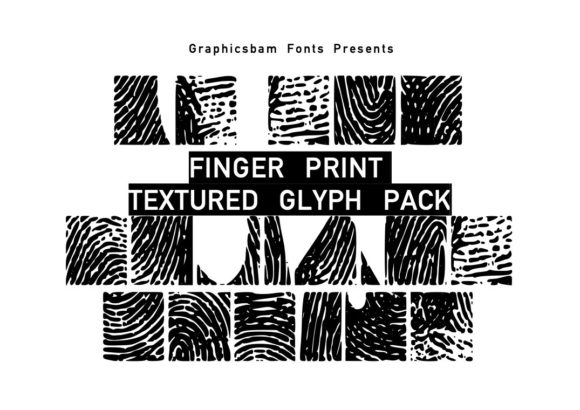
At its heart, this is not your average display font. Think of it less as a set of characters and more as a curated collection of textures. Each glyph in the Finger Prints Glyph Font is designed to mimic the intricate, one-of-a-kind patterns found in human fingerprints and palm prints. The appeal is immediate and visceral. In a digital landscape often dominated by clean lines and geometric precision, these designs offer a refreshing dose of organic irregularity. The visual warmth they provide can instantly soften a layout, making a brand or project feel more approachable, genuine, and grounded. It’s a fantastic way to create visual interest and a strong tactile impression, even on a flat screen.
From Brand Identity to Packaging Design
The practical applications for a resource like this are surprisingly broad. For designers and brand strategists, the glyphs can become a powerful element of a visual identity. Imagine a wellness brand, an artisanal food company, or a sustainable craft business using a subtle fingerprint texture as a background pattern on their website or as a key motif in their logo. It immediately communicates values of authenticity, care, and human connection without a single word.
This extends seamlessly into packaging design. A coffee roaster could use a palm print glyph on their bag to signify the hands that roasted the beans. A cosmetics line might use a fingerprint pattern on its boxes to emphasize natural ingredients and personal care. The texture adds a layer of perceived quality and story to the physical product.
For content creators and marketers, the font is a secret weapon for social media graphics. A single glyph can serve as a powerful background for an Instagram quote, a unique frame for a product photo, or an eye-catching element in a Facebook ad. It helps create a consistent and recognizable aesthetic that can improve audience engagement. The same principle applies to blogs, where these textures can be used as divider lines, header backgrounds, or featured image accents to break up text and add visual personality.
Practical Advice for Implementation
Integrating a specialty asset like the Finger Prints Glyph Font effectively requires a bit of thoughtful strategy. It’s not about replacing your primary body text, but about complementing it. Here are a few practical considerations:
- Choose Your Context: This font shines as an accent. Use it for headlines, logos, icons, or decorative elements where its detailed texture can be appreciated without compromising readability. Pair it with a clean, simple sans serif font for body copy to ensure your message remains clear.
- Test for Readability: Always test your designs at the size they will be viewed. A detailed glyph might look stunning large on a poster but become a muddy blur when shrunk for a mobile favicon. Ensure the texture remains legible and effective in its intended context.
- Review the Glyph Set: Before starting, explore the full set of included glyphs. Understanding the variety of fingerprint and palm print styles available will help you select the one that best matches your project's mood—whether it’s a tight, whorled pattern or a broader, more sweeping texture.
- Consider Licensing: If your project is commercial, always verify the font's licensing. Ensure it permits your intended use, whether for client work, merchandise, or digital products for sale. This is a critical step for any premium font asset.
Building a Cohesive Visual Language
The true power of incorporating a distinctive design asset like this lies in its ability to enhance visual consistency and brand recognition. When used thoughtfully across multiple touchpoints—from your website and social media to your printed materials and merchandise—the fingerprint texture becomes a signature element. Your audience will begin to associate that organic, human pattern with your brand, strengthening your identity in a crowded market.
It’s a move away from generic templates and toward a more curated, professional presentation. For small business owners and entrepreneurs, this can be a game-changer. It allows you to achieve a high-end, bespoke look without the need for completely custom illustration, making professional design more accessible. The texture itself tells a story of care, detail, and uniqueness, which can resonate deeply with customers looking for authentic connections with the brands they support.
Ultimately, the Finger Prints Glyph Font offers a simple yet profound idea: that design can carry a human signature. By leveraging its unique collection of textures, you can add a layer of depth, warmth, and storytelling to any creative project, making your work not just seen, but felt.