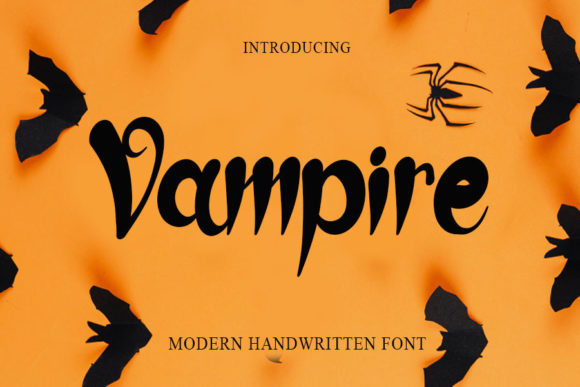
Vampire Font: A Handwritten Typeface with Stunning Impact
There’s a certain magic in typography that feels personal. It’s the difference between a generic sign and a handwritten note, between a corporate report and a heartfelt invitation. When you find a font that carries this kind of energy, it becomes more than just letters on a screen—it becomes a design tool with real personality. That’s precisely the kind of spark a well-crafted handwritten typeface can bring to your work, offering a unique blend of elegance and approachability that resonates on a human level.
The Allure of Authentic Handwriting
So, what exactly sets a font like this apart? It’s the organic flow, the subtle variations in line weight, and the inherent warmth that mimics the natural motion of a pen or brush. Unlike rigid, uniform typefaces, a premium handwritten font like Vampire Font introduces a dynamic quality. Each character feels individually crafted, which lends an air of authenticity and care to any project it touches. This visual character makes it particularly effective for designs aiming to connect emotionally rather than just convey information formally. It’s a modern typography choice that bridges the gap between digital precision and human touch.
This style of creative font shines in applications where personality is paramount. Think about the logo for a boutique coffee roaster, the packaging for artisanal chocolates, or the title treatment for a lifestyle blog. The font’s character doesn’t just display a name; it tells a story about the brand’s identity—suggesting it’s crafted, personal, and detail-oriented. It’s a powerful piece of a broader brand identity system, setting a tone that sans serif fonts or standard serifs often can’t achieve on their own.
Practical Applications Across Projects
The versatility of a strong display font lies in its adaptability. For entrepreneurs and small business owners, this typeface can become a cornerstone of visual communication. Imagine it used for:
- Logo Design & Branding: Creating a distinctive wordmark or pairing it with a simple sans serif for a balanced logo suite. It immediately gives a brand a recognizable voice.
- Packaging Design: Highlighting product names or key descriptors on labels and boxes, making shelf appeal irresistible with its handwritten charm.
- Social Media Graphics: Crafting eye-catching quotes, announcements, or sale posts that stand out in a crowded feed due to their unique visual texture.
- Website & Blog Elements: Using it for headlines, pull quotes, or special section titles to break the monotony of body text and guide the reader’s eye.
- Print Materials: Designing memorable business cards, thank you notes, or event posters that feel personal and premium.
- Invitations & Editorial Layouts: Setting the mood for wedding invitations, event programs, or magazine features where elegance and personality are key.
- Digital Products & Merchandise: Adding a custom touch to e-books, printable art, or merchandise like t-shirts and mugs, enhancing perceived value.
For content creators and marketers, the goal is often engagement. A well-chosen script font or handwritten style can increase visual interest, making content more shareable and memorable. It’s not about replacing all your typography, but about using this style strategically to highlight and differentiate key elements.
Integrating Font into Your Design Strategy
Choosing the right font style is only the first step. The real skill lies in implementation. A crucial piece of advice is to test font pairings rigorously. A highly stylistic font like this works best when balanced with a cleaner, more neutral companion. Try pairing it with a simple geometric sans serif for body text or a classic serif for a more traditional feel. This contrast ensures readability while allowing the handwritten font’s personality to take center stage without overwhelming the viewer.
Always consider the context of your project. A font that’s perfect for a fashion blog’s hero image might be too elaborate for a detailed instruction manual. Review the included font styles and weights—does it come with alternates, ligatures, or multiple weights? These features provide flexibility, allowing you to maintain visual consistency across different applications while keeping the design fresh.
Readability is non-negotiable, especially at smaller sizes or in longer blocks of text. Use this typeface primarily for headlines, logos, and short phrases where its detailed design can be appreciated. For extended reading, revert to a highly legible serif or sans serif font. This practice upholds professional presentation and ensures your message is communicated clearly.
Making the Most of Your Design Assets
From a practical standpoint, understanding the licensing of your design assets is essential. If you’re using a font for client work, merchandise, or commercial products, ensure you have the correct commercial license. A reputable premium font typically comes with clear licensing terms that cover various uses, protecting both you and your clients. This due diligence is part of professional design practice and brand management.
Ultimately, the power of a distinctive typeface like this lies in its ability to elevate a project from ordinary to exceptional. It’s a tool for visual storytelling, helping to build brand recognition, evoke specific emotions, and create a cohesive aesthetic. Whether you’re launching a new product, refreshing your website, or designing a social media campaign, integrating a font with character and impact can be the detail that ties everything together beautifully, leaving a lasting impression on your audience.