Bunker Font: Bold Retro Vibes for Modern Design Projects
Sometimes a design needs a font that doesn't just sit quietly in the background—it needs to make a statement. If you've ever worked on a project that calls for confidence, nostalgia, and a bit of bold attitude, you already know how tricky it can be to find a typeface that strikes the right balance. That's where Bunker Font comes in. This gorgeous display typeface blends retro aesthetics with a modern sensibility, giving designers and creators a versatile tool for projects that demand attention.
A Typeface with Personality and Presence
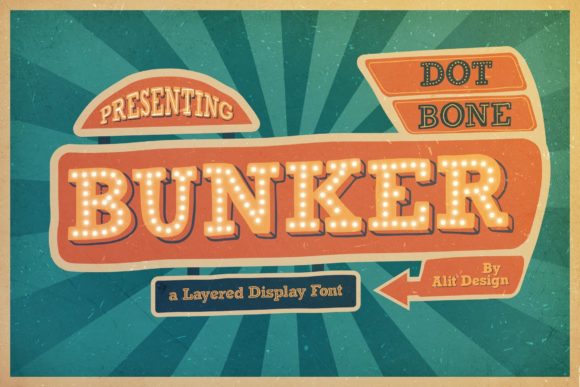
Bunker Font isn't the kind of typeface you reach for when you need something subtle. It's a bold display font designed to command space, and that's precisely what makes it so effective. The letterforms carry a retro touch—think vintage signage, classic advertising, and mid-century branding—but they feel fresh enough to work in contemporary contexts. The strokes are confident, the shapes are dynamic, and the overall impression is one of strength without rigidity.
What makes this font particularly appealing is its ability to evoke nostalgia without feeling dated. There's a fine line between "retro-inspired" and "looks like it's from a clearance bin," and Bunker Font lands firmly on the right side. The design is intentional, with carefully crafted proportions and details that give each character a sense of weight and authority. Whether you're setting a headline, designing a logotype, or creating a poster, the font brings a visual energy that's hard to ignore.
Where Bunker Font Truly Shines
One of the best things about a display font like this is its range of applications. It's not a workhorse body text typeface—and it's not trying to be—but for the right project, it becomes an invaluable design asset.
Branding and logo design are natural fits. If you're building a brand identity for a craft brewery, a barbershop, a streetwear label, or an artisan food company, Bunker Font can anchor your visual language with a distinct, memorable look. It gives logos a sense of heritage and credibility, which can be especially powerful for small businesses trying to establish themselves in competitive markets.
Packaging design is another area where this typeface excels. On a shelf full of products, packaging needs to communicate quickly and clearly. Bunker Font's bold letterforms are readable at a glance, and the retro character adds warmth and authenticity—qualities that resonate with consumers looking for brands with personality.
For social media graphics, the font is a strong choice for quote cards, announcement posts, sale banners, and promotional content. In feeds where everything competes for attention, a bold display typeface helps your content stand out. Paired with the right imagery and color palette, it can make even a simple Instagram post feel polished and intentional.
Poster and editorial design also benefit from this kind of typeface. Event posters, magazine covers, book titles, and zine layouts all need typography that draws the eye. Bunker Font has the visual weight to serve as a focal point on a page, whether it's set large across a spread or used as a pull quote in an editorial layout.
Don't overlook merchandise and print materials either. T-shirts, tote bags, stickers, business cards, and invitations can all benefit from a font that carries this much character. If you sell products or run events, having a typeface that translates well across both digital and physical formats is a genuine advantage.
Matching Typography to Your Project Goals
Choosing the right font isn't just about aesthetics—it's about alignment with your project's goals and audience. A font like Bunker Font works best when you're aiming for a specific mood: bold, confident, nostalgic, or vintage. If your brand or project leans toward minimalism, elegance, or a clean Scandinavian aesthetic, this might not be the right fit. But if you want to convey authenticity, craftsmanship, or a sense of history, it's worth serious consideration.
Think about your audience, too. A younger demographic might respond well to the retro vibe in a playful, ironic way, while an older audience might appreciate the genuine vintage quality. The font's versatility means it can adapt to different contexts, but it's always worth testing how it reads to your specific audience before committing.
One practical tip: look at the included font styles and weights. Many display fonts come with variations—bold, condensed, outline, or alternate characters—that give you more flexibility. Understanding what's included in your font package helps you use it more effectively and avoid limitations down the road.
Pairing Bunker Font with Other Typefaces
A display font rarely works in isolation. For most projects, you'll need a secondary typeface for body text, subheadings, or supporting information. The key to successful font pairing is contrast without conflict.
Since Bunker Font is bold and characterful, pair it with something simpler and more neutral. A clean sans serif font works well for body copy, providing readability without competing for attention. If you want a more layered typographic hierarchy, consider a simple serif font for secondary text—it can complement the retro quality of Bunker Font while maintaining a professional, grounded feel.
Avoid pairing it with another heavy display font or a highly decorative script font. Two competing personalities in the same design create visual noise rather than clarity. The goal is to let Bunker Font do its job—capturing attention in headlines and focal points—while supporting typefaces handle the quieter work of readability and information delivery.
Practical Considerations for Commercial Use
If you're planning to use Bunker Font for commercial projects—client work, products for sale, marketing materials, or branded content—make sure you understand the licensing terms. Most premium fonts come with specific commercial licenses that outline how the font can be used. Some licenses cover a certain number of users, devices, or projects. Others may have restrictions on embedding in digital products or using the font in templates for resale.
Reading the license agreement isn't the most exciting part of the design process, but it protects you legally and ensures the font creator is fairly compensated. If you're a small business owner or freelancer investing in design assets, this is a step worth taking seriously.
Also consider readability across different sizes and formats. Display fonts are designed for larger sizes, so test how Bunker Font performs at the scale you intend to use. A headline at 72 points looks different than the same font at 24 points on a business card. Make sure the details and character that make the font appealing at large sizes don't become muddled or unclear at smaller ones.
Bringing It All Together
Typography is one of the most powerful tools in a designer's toolkit, and the right typeface can transform a project from forgettable to distinctive. Bunker Font offers a specific kind of energy—retro, bold, confident—that works beautifully for branding, packaging, social media, print, and editorial design. It's not a font for every situation, but when the project calls for personality and presence, it delivers.
The best way to know if it's the right fit is to experiment. Set your headlines, test your pairings, and see how the font interacts with your color palette, imagery, and overall design direction. Good typography doesn't just look nice—it communicates, persuades, and connects. And a typeface with this much character gives you a strong foundation to build from.