The Pafoster Font: Vintage Charm Meets Modern Design
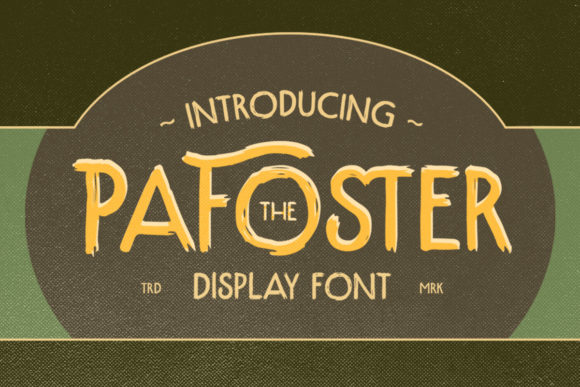
There's something magnetic about a font that stops you mid-scroll. You're browsing a coffee shop's Instagram, flipping through a magazine, or walking past a boutique window—and suddenly a typeface catches your eye. It feels nostalgic yet fresh, bold without being loud, and unmistakably confident. That's the kind of energy The Pafoster Font brings to the table. This display typeface carries a vintage and retro personality that feels handpicked for anyone who wants their words to carry weight and warmth simultaneously.
Whether you're a designer building out a brand identity, a small business owner crafting packaging that flies off the shelf, or a content creator looking for that perfect headline font, The Pafoster Font deserves a closer look. It's not just another retro-inspired typeface sitting in your font library collecting digital dust. It's a deliberate design tool built for projects that need to make a statement—and mean it.
What Makes The Pafoster Font Stand Out
At its core, The Pafoster Font is a display typeface with clear roots in vintage and retro aesthetics. But "vintage" doesn't mean outdated. The letterforms balance old-school character with clean execution, giving designers the freedom to use it across contemporary projects without feeling like they're designing a sepia-toned postcard from 1952.
The font's personality leans into bold, confident shapes. The letter proportions feel intentional—each character carries enough visual weight to command attention in headlines and logotypes without sacrificing legibility. This is a typeface that understands its role. It's not trying to be your body copy font. It's the font you reach for when a project needs a unique and bold accent that elevates everything around it.
What really sets The Pafoster Font apart from other premium fonts in the retro category is its versatility within its niche. Some vintage-inspired display fonts lock you into a single mood—either too playful, too rugged, or too ornate. The Pafoster sits in a sweet spot where it can feel crafty and approachable in one context, then sophisticated and editorial in another. That adaptability makes it a genuinely useful addition to any designer's toolkit.
Where This Typeface Truly Shines
Let's talk practical applications, because a font is only as valuable as the projects it improves.
Logo design and brand identity are natural fits. If you're building a brand for a coffee roastery, a barbershop, a craft brewery, or an artisan goods shop, The Pafoster Font delivers instant personality. It tells your audience something about your brand before they read a single word of your mission statement. The retro warmth suggests authenticity, craftsmanship, and attention to detail—qualities that resonate deeply with consumers who are tired of sterile, cookie-cutter branding.
Packaging design is another arena where this font excels. Think about the last time you picked up a product solely because the label caught your attention. Typography plays a massive role in shelf appeal, and a display font like The Pafoster gives product labels, boxes, and tags a distinctive look that stands apart from competitors relying on overused sans serif fonts or generic script typefaces.
Social media graphics benefit enormously from a font with this much character. Instagram posts, Pinterest pins, Facebook banners, and YouTube thumbnails all demand typefaces that read well at various sizes while still grabbing attention in a crowded feed. The Pafoster Font handles headline duty beautifully, especially when paired with simpler body text fonts that let it remain the star of the show.
For print materials—posters, flyers, business cards, invitations, event programs—this typeface brings a tactile quality that digital-first fonts often lack. It feels designed for ink on paper, which makes it ideal for wedding invitations with a retro theme, music festival posters, restaurant menus, or any printed piece that needs to feel curated rather than mass-produced.
Websites and blogs can use The Pafoster strategically for hero sections, section headers, and call-to-action headlines. It pairs exceptionally well with clean sans serif fonts for body copy, creating a visual hierarchy that guides the reader's eye naturally. Editorial layouts, magazine-style blogs, and digital products like eBooks or lookbooks all benefit from this kind of intentional typographic contrast.
And let's not overlook merchandise and marketing assets. Tote bags, t-shirts, mugs, stickers—any physical product that doubles as a branding opportunity looks sharper with a display font that has real personality. The Pafoster Font translates well to merchandise because its bold shapes remain recognizable even at smaller sizes or when printed on textured materials.
Pairing The Pafoster With Other Fonts
No display font exists in isolation. The real magic happens when you pair it thoughtfully with complementary typefaces. Since The Pafoster Font handles headlines and display text, you'll want a reliable partner for body copy, subheadings, and supporting text.
A clean sans serif font works beautifully alongside The Pafoster. Think of typefaces like Montserrat, Open Sans, or Lato—fonts that stay out of the way and let the display font do the talking. This combination gives you visual contrast without visual conflict.
For projects that want to lean fully into a vintage aesthetic, pairing The Pafoster with a classic serif font can create a rich, layered typographic system. Just be careful not to choose a serif with too much personality of its own, or the two fonts will compete for attention rather than complement each other.
Script and handwritten fonts can also work as secondary accents—think pull quotes, taglines, or decorative labels—but use them sparingly. The Pafoster already carries enough character for your primary display needs, so adding another expressive font risks visual clutter.
The best advice? Test your pairings in context. Drop your font combination into a real design—your actual logo, your real packaging layout, your actual social media template—and see how it feels. Typography decisions made in isolation on a blank screen often look different when applied to real content with real images and real constraints.
Practical Tips for Getting the Most Out of The Pafoster
Before you commit to any premium font for a project, spend time reviewing the included font styles and weights. Some display fonts come with alternates, ligatures, or stylistic variations that unlock additional creative possibilities. Understanding what's included in your download helps you make informed decisions and get full value from your investment.
Readability always matters, even with display fonts. While The Pafoster Font is designed for headlines rather than long-form text, you still want your message to be instantly legible. Avoid setting it at sizes that are too small for its character details to read clearly, and make sure there's enough contrast between your text color and background.
Licensing is another practical consideration that many creatives overlook until it becomes a problem. If you're using The Pafoster Font for commercial projects—client work, products for sale, branded merchandise—confirm that your license covers those uses. Most premium fonts offer commercial licenses, but the specifics vary. Spending two minutes reviewing the licensing terms now saves you headaches later.
Finally, think about visual consistency across your entire project. If The Pafoster Font becomes part of your brand identity, use it consistently. A font only builds brand recognition when your audience sees it repeatedly in the same context. Sporadic use dilutes its impact, while consistent application turns a typeface into a visual signature that people associate with your work.
A Font Worth Exploring
Finding the right typeface for a creative project is part instinct and part strategy. The Pafoster Font offers a compelling combination of vintage charm, bold presence, and practical versatility that makes it worth serious consideration for anyone working on branding, packaging, editorial design, or digital content. It doesn't try to be everything to everyone—and that's precisely what makes it effective. When a project calls for a display font with real personality and retro warmth, this typeface delivers exactly what you need to make your work memorable.