Paxalah: Where 8-Bit Nostalgia Meets Modern Arabic Typography
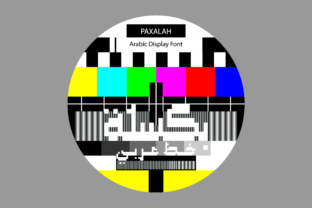
There is a specific kind of magic in the blocky, pixelated aesthetics of early video games and digital displays. It evokes a sense of nostalgia, playfulness, and distinctiveness. Now, imagine channeling that exact energy into Arabic typography. Enter Paxalah, an Arabic display font that brilliantly captures the essence of pixelation—a concept known as "Paxalah" in Arabic slang. This isn't just another typeface; it's a visual bridge between retro digital culture and contemporary Arabic design, offering a fresh and engaging tool for a wide array of creative projects.
At its core, Paxalah is a premium font designed for impact. Inspired by 8-bit graphics, each letterform is constructed with a grid-like precision that feels both intentionally retro and surprisingly modern. The visual appeal lies in its ability to stand out immediately. In a landscape often dominated by traditional calligraphic scripts or clean sans-serif fonts, Paxalah offers a bold, textured alternative. Its pixel-inspired structure gives it a unique personality—one that communicates innovation, tech-savviness, and a playful edge. For designers and creators looking to inject character and a distinct visual voice into their work, this font provides a powerful solution.
A Versatile Tool for Brand Identity and Marketing
Choosing the right font is a foundational step in building a recognizable brand. Paxalah excels as a creative font for projects that aim to be memorable and approachable. Consider its application in logo design. A tech startup, a gaming community, a digital education platform, or even a trendy café could use Paxalah to craft a logo that instantly communicates a modern, forward-thinking, and slightly nostalgic identity. The font's inherent texture ensures the logo is not just read, but felt and remembered.
Beyond the logo, this typeface is a robust asset for creating cohesive brand identity systems. Use it for packaging design to make products leap off the shelf with a playful, digital vibe. It’s particularly effective for brands targeting younger demographics or those in the tech, entertainment, and creative industries. When applied to social media graphics—think Instagram posts, YouTube thumbnails, or TikTok overlays—Paxalah helps content cut through the noise. Its bold, pixelated forms are highly legible even at smaller sizes on mobile screens, ensuring your message gets across clearly while maintaining a strong aesthetic.
From Digital Interfaces to Tangible Print
The utility of Paxalah extends seamlessly across both digital and physical realms. In web design, it can be used for striking headlines, hero section titles, or call-to-action buttons that demand attention. Its unique style adds personality to a website without compromising on clarity, especially when used strategically for display purposes. Paired with a clean, readable body font, it creates a dynamic typographic hierarchy that guides the user's eye effectively.
For print materials, the results are equally compelling. Imagine event posters, festival flyers, or album covers featuring Paxalah. The font's graphic quality translates beautifully to high-resolution print, creating posters that are visually arresting from a distance. It’s an excellent choice for merchandise like t-shirts, tote bags, and stickers, where a bold, graphic statement is key. Even in more formal applications like editorial design for magazines or annual reports, Paxalah can be used sparingly for pull quotes, section dividers, or cover lines to add a contemporary, disruptive element to the layout.
Practical Considerations for Effective Use
While Paxalah is a powerful creative font, using it effectively requires some thoughtful consideration. Its nature as a display typeface means it shines brightest in short, impactful bursts—headlines, titles, logos, and callouts. For body text or long paragraphs, readability is paramount, and a simpler serif or sans-serif font would be a more suitable companion. The key is to leverage Paxalah for its personality in high-visibility areas while relying on more neutral fonts for extensive reading.
Font pairing is crucial. To create a balanced and professional presentation, pair Paxalah with a complementary typeface. A clean sans-serif font can create a modern, tech-focused contrast, while a soft, rounded sans-serif might enhance its playful quality. Always test your pairings in context. View your designs on different devices and in various sizes to ensure the overall visual consistency and readability hold up. Reviewing the full character set and any included font styles (like bold or regular weights) will help you understand its full range and how best to implement it across your project.
Finally, for any commercial project—whether it's a client's brand identity, a product for sale, or marketing assets—ensuring you have the correct commercial license is non-negotiable. Reputable font foundries provide clear licensing terms, and respecting these terms is part of professional practice. Paxalah, as a premium font, comes with the quality and support expected for serious commercial use, making it a reliable asset in your design toolkit.
In the end, Paxalah is more than just an Arabic font with a pixelated style. It’s a conversation starter, a brand differentiator, and a nod to the digital history that shapes our present. For the designer, marketer, or entrepreneur looking to break away from the ordinary and create visuals with genuine character, exploring what Paxalah offers is a worthwhile creative endeavor. It proves that even within the structured world of typography, there is ample room for play, nostalgia, and bold innovation.