When Your Design Needs a Voice with Character: Meet Dissfunction
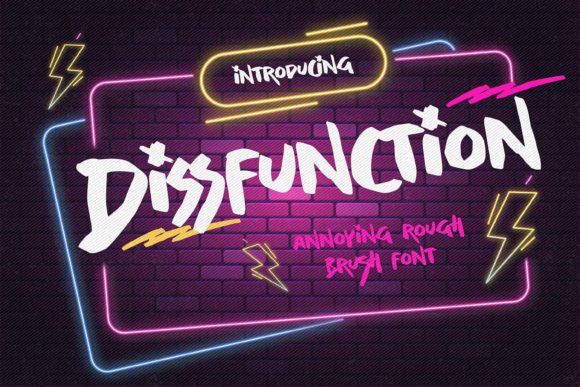
You know the feeling. You’ve spent hours on a design, tweaking colors and layouts, but the typography still feels… polite. It’s clean, it’s readable, but it lacks the human spark that makes someone stop scrolling. This is where a typeface with genuine personality becomes your secret weapon. Dissfunction is an intentionally rough brush display font that brings an immediate, handmade energy to any project. It’s not about being messy; it’s about capturing the authentic, slightly imperfect texture of a hand-drawn mark, which can be a powerful antidote to the overly polished digital landscape we often navigate.
Capturing Authenticity in a Digital Space
At its core, Dissfunction is a creative font designed to bridge the gap between digital precision and human touch. Each character carries the subtle variations of a brushstroke, giving your words a sense of immediacy and warmth. This isn’t a sterile, geometric typeface. It’s a premium font with a relaxed, charming character that feels approachable and genuine. Think of the difference between a printed invitation and one written by a friend—the latter always carries more emotional weight. For designers, entrepreneurs, and content creators, this font acts as a visual shorthand for authenticity. It’s perfect for projects where you want to convey craftsmanship, creativity, or a down-to-earth brand voice.
Its utility spans far beyond a single application. Imagine this display font on a craft brewery logo, instantly communicating artisanal quality. Picture it on the cover of an indie book, promising a story with heart and soul. Consider its impact on social media graphics, where it can cut through the noise with a distinctive, hand-lettered feel that generic sans serif fonts simply can’t match. Because it’s PUA encoded, you have full access to all glyphs and swashes, allowing you to customize letterforms and add flourishes for truly unique compositions, whether for a wedding invitation or a bold poster headline.
Practical Applications: From Brand Identity to Marketing Collateral
Understanding where a font like Dissfunction truly shines is key to leveraging its potential. It’s a versatile design asset, but its strength lies in specific contexts where character and impact are paramount.
- Branding and Logo Design: For brands that want to stand out as creative, artisanal, or rebellious, Dissfunction can form the cornerstone of a memorable logo. It pairs exceptionally well with a clean, simple serif or sans serif font for body text, creating a dynamic visual hierarchy. A small business selling handmade goods, a music studio, or an independent bookstore could use it to build an immediate, tactile brand identity.
- Packaging and Product Design: On physical goods, this handwritten font excels. It can make a product label for gourmet coffee, artisanal soap, or craft chocolate feel more personal and premium. The rough texture suggests something made with care, directly influencing perceived value at the point of sale.
- Editorial and Print Layouts: Use it for chapter titles in a book, section headers in a magazine, or pull quotes in a report. It adds a dramatic, eye-catching element that guides the reader’s eye and breaks up monotonous text blocks, enhancing overall readability through strategic contrast.
- Digital and Social Media: In the fast-paced world of social media graphics and blog headers, a bold, textured font like Dissfunction can stop the scroll. It’s ideal for quote graphics, YouTube thumbnails, or Instagram story titles, providing a strong visual anchor that reinforces brand recognition with every post.
- Events and Special Projects: For invitations, event posters, or merchandise like t-shirts and tote bags, it delivers a celebratory, custom-made feel. The charming characters make any announcement feel more special and less corporate.
Strategic Typography: Pairing and Readability
Introducing a strong display font into your toolkit requires a thoughtful approach to typography and visual communication. The goal is to harness its energy without sacrificing clarity.
Font Pairing is Crucial. Dissfunction is a star player, but it needs a supporting cast. For body copy, long paragraphs, or any text where sustained reading is necessary, always pair it with a highly legible serif font or a neutral sans serif font. For example, use Dissfunction for a headline like "Our Story" and a clean sans serif like Montserrat or Open Sans for the paragraph below. This creates a balanced, professional presentation where the display font makes an impact and the body font ensures comfort.
Context Dictates Choice. Ask yourself: what is the goal of this project? If it’s a formal corporate report, Dissfunction might be too casual. But if it’s a campaign for a new streetwear line, a music festival, or a creative workshop, it’s a perfect fit. Matching the font’s personality to your project’s goals is fundamental to effective design.
Test for Readability. While display fonts are meant for headlines and short bursts of text, always test how your chosen words look in the font. Some letter combinations might need adjustment. Fortunately, with Dissfunction’s extensive glyph set, you can often find an alternate character that improves the flow of a particular word. Always view your design at the intended size—what looks great on a large monitor might become illegible on a mobile screen if used for body text.
Making an Informed Creative Investment
Choosing a commercial font is an investment in your design assets. When considering a premium font like Dissfunction, review the full package. A professional typeface will typically include multiple weights or styles (though for a brush font, this might mean variations in texture or swash intensity), full punctuation, numerals, and multilingual support. The PUA encoding is a significant practical advantage, as it means you don’t need specialized design software to access all the decorative elements—simple character map tools will work.
Finally, always be mindful of the licensing. Ensure the license you purchase covers your intended use, whether for personal projects, client work, digital products for sale, or merchandise. A clear commercial license protects you and respects the work of the type designer.
In a world saturated with digital content, the fonts you choose do more than spell out words—they communicate feeling, establish context, and build recognition. A typeface like Dissfunction offers a direct path to adding a layer of human artistry and standout character to your visual language, helping your projects resonate on a more personal level. It’s a tool for designers and creators who understand that sometimes, the most powerful message is the one that feels genuinely crafted.